The Future Homes Standard
On 24 March 2026 the government published the Future Homes Standard, the update to the Building Regulations in England that changes how new homes are heated and powered.
What new homes will need
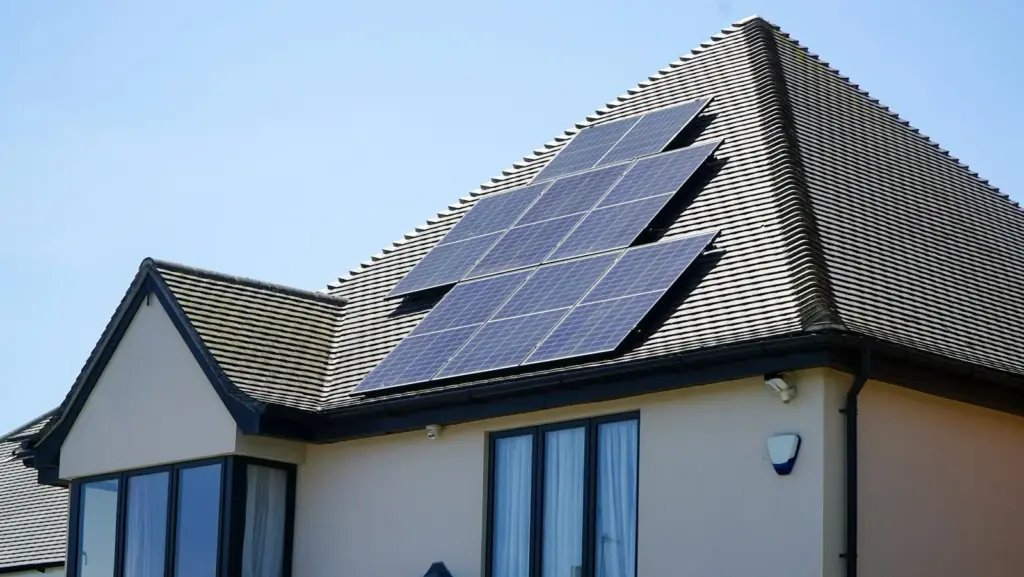
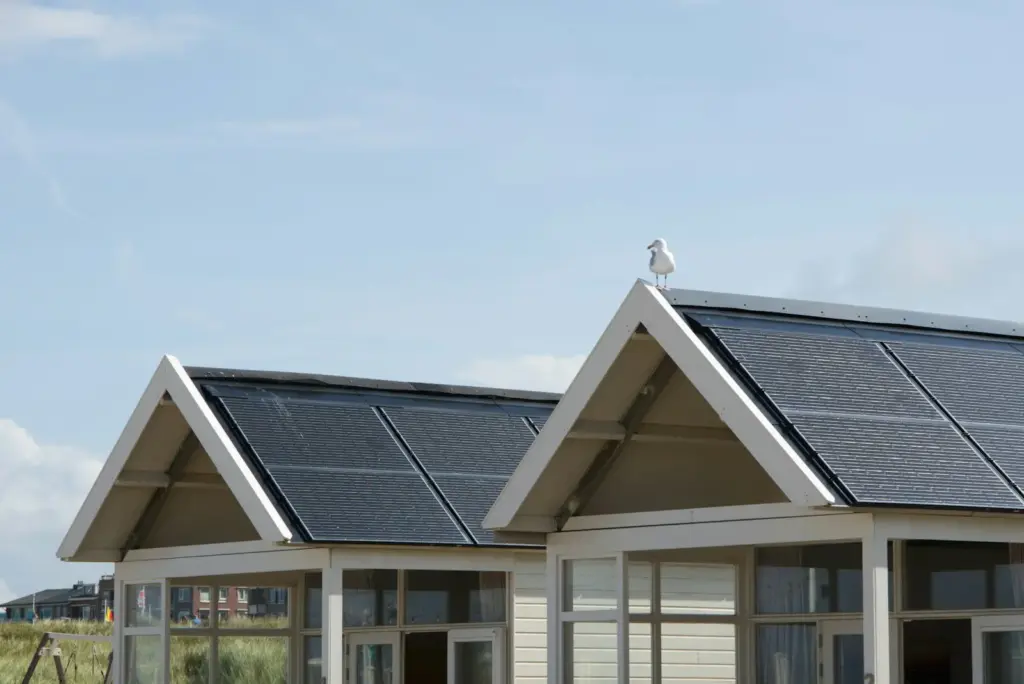
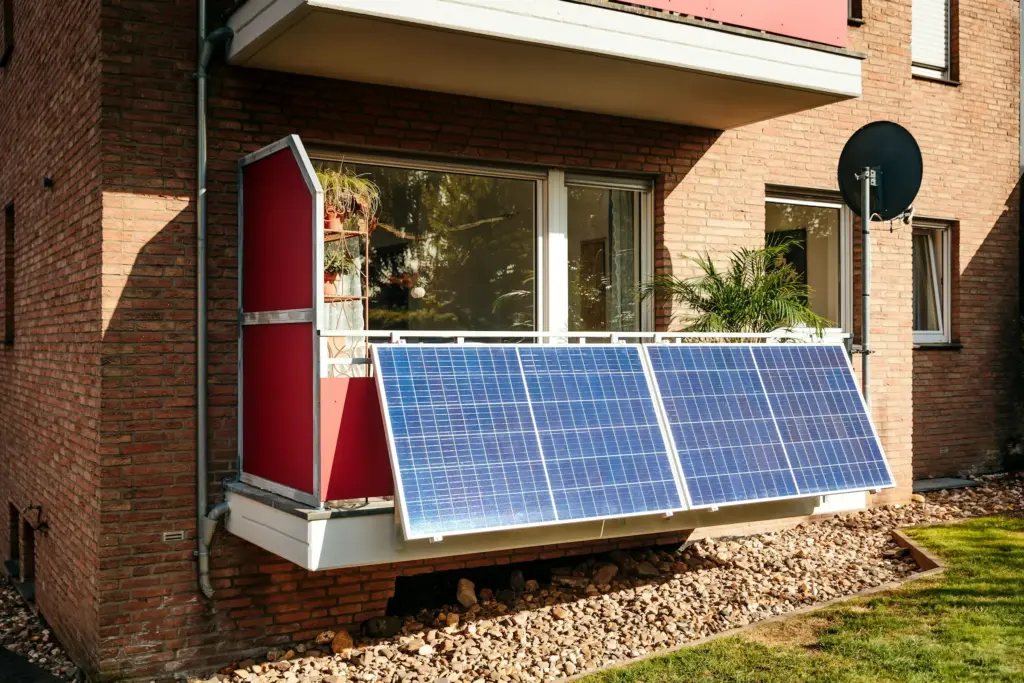
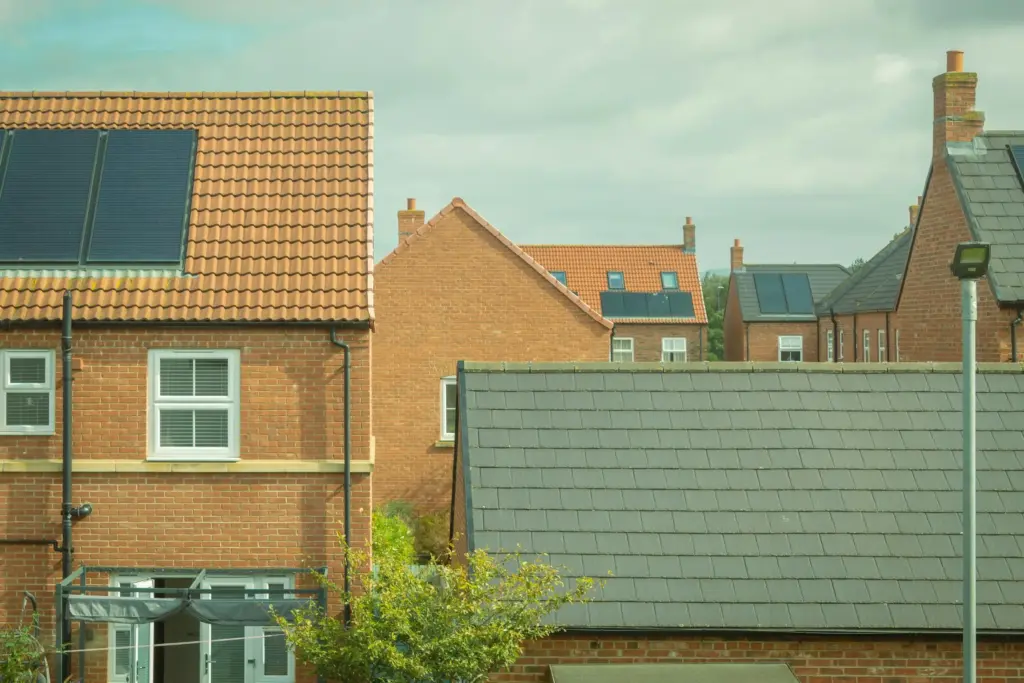
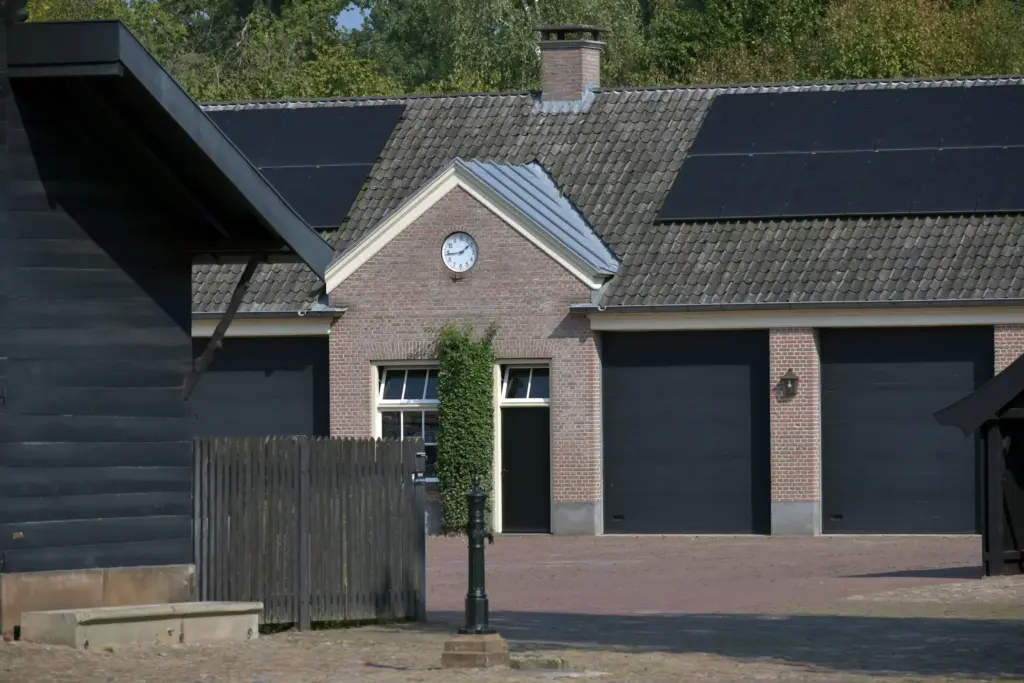
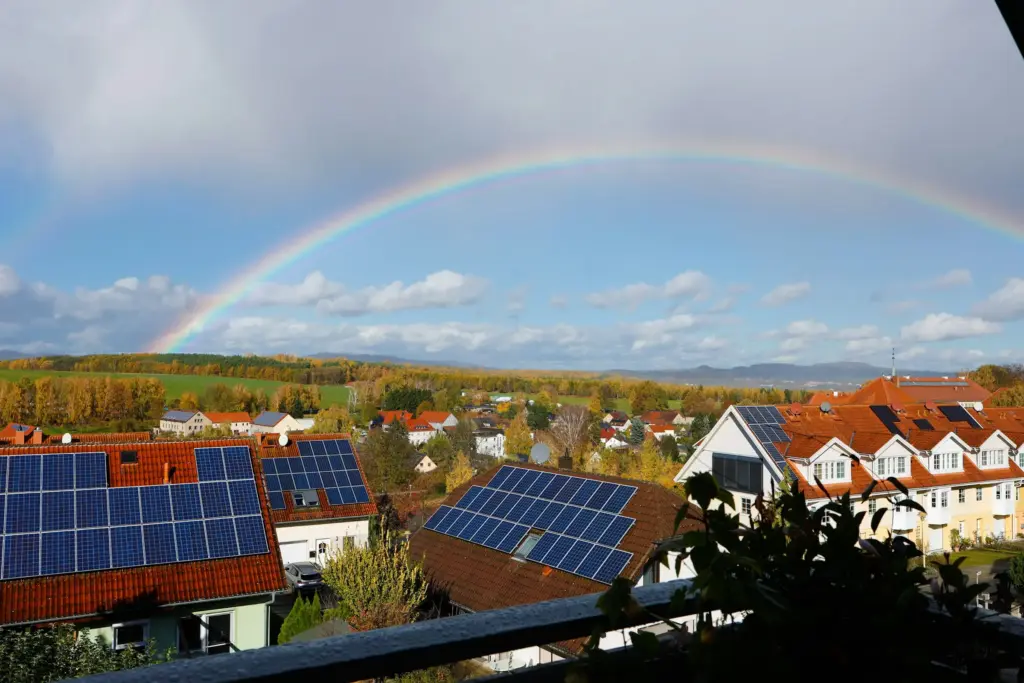
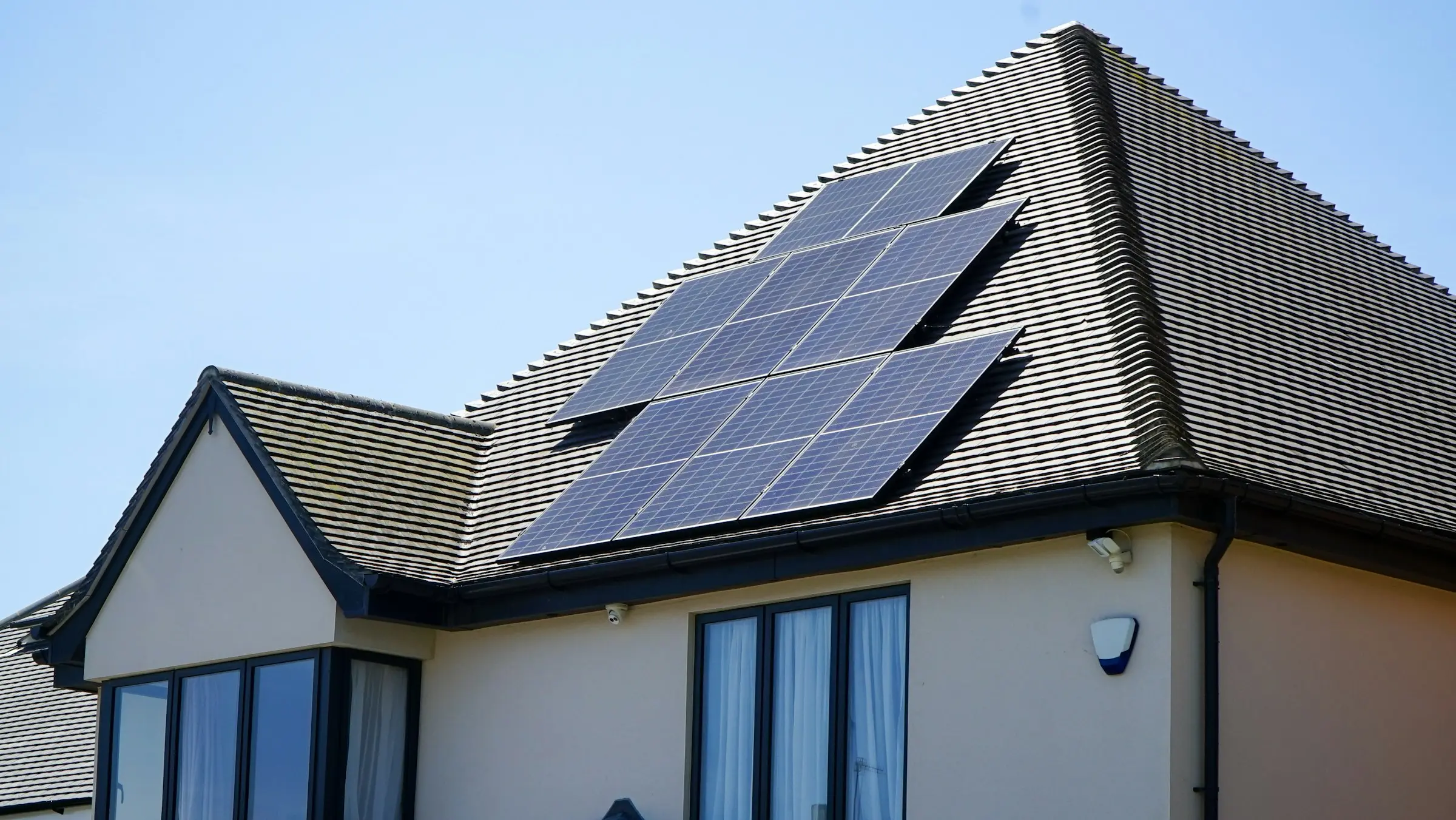
Most new homes will need to generate their own renewable electricity, which in practice means solar panels. The guide figure is a panel area equal to 40% of the home’s ground floor. There are exemptions, for example for heavily shaded sites, for taller buildings, and for sites where panels could not realistically produce 720kWh a year.
Heating changes too. Most new homes will be heated by a heat pump or connected to a low-carbon heat network rather than the gas grid.
When it applies
The new rules apply to most building work from 24 March 2027, and to higher-risk buildings (18 metres or more, or at least seven storeys) from 24 September 2027. Projects that have already submitted their plans can still be built to the previous rules if work starts by 24 March 2028, so homes built to the new standard will become common from 2028.
What it means for existing homes
The standard covers new homes, not existing ones. It does set a clear direction, though: solar generation and low-carbon heating are becoming the norm rather than an extra, which is worth bearing in mind when planning roof work, a new heating system or an extension.