What was announced
In January 2026 the government published its Warm Homes Plan, setting out £15 billion of public money for home energy upgrades up to 2030. Of that, £13.5 billion is for England, and £1.5 billion is shared between Scotland, Wales and Northern Ireland, to be allocated by their own governments.
Where solar panels and batteries fit
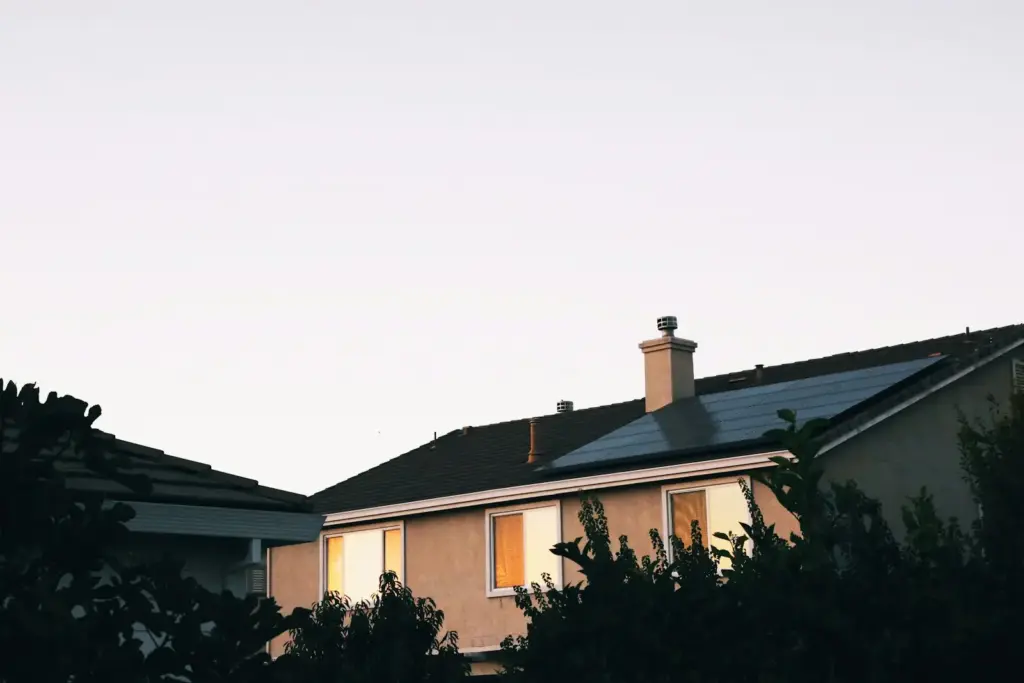
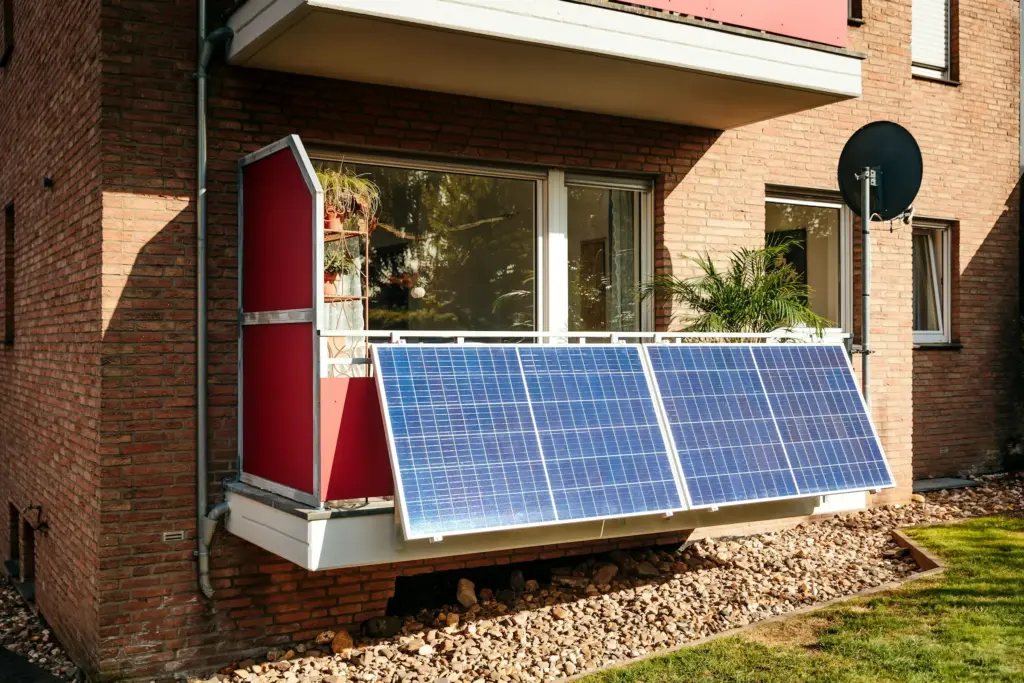
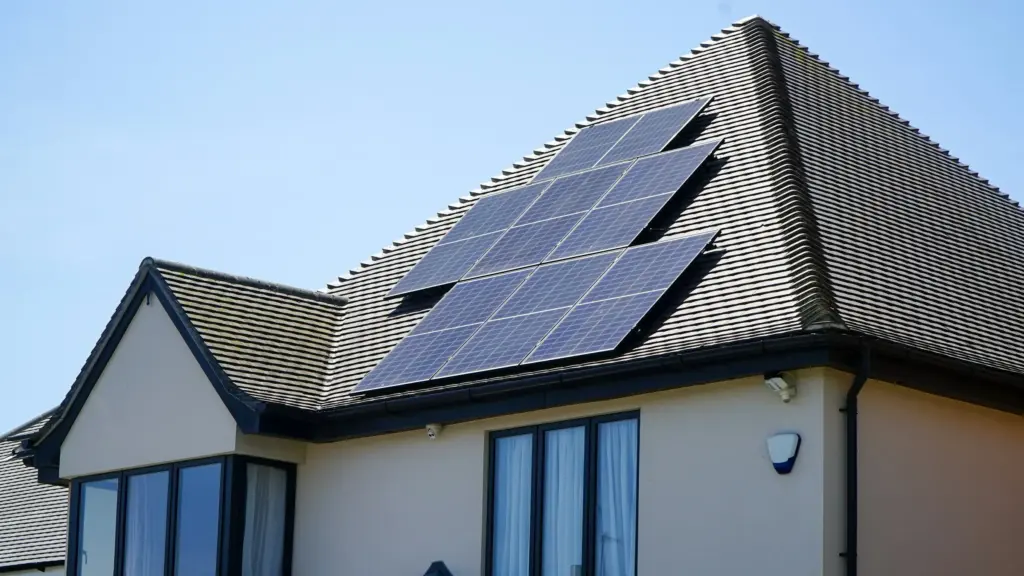
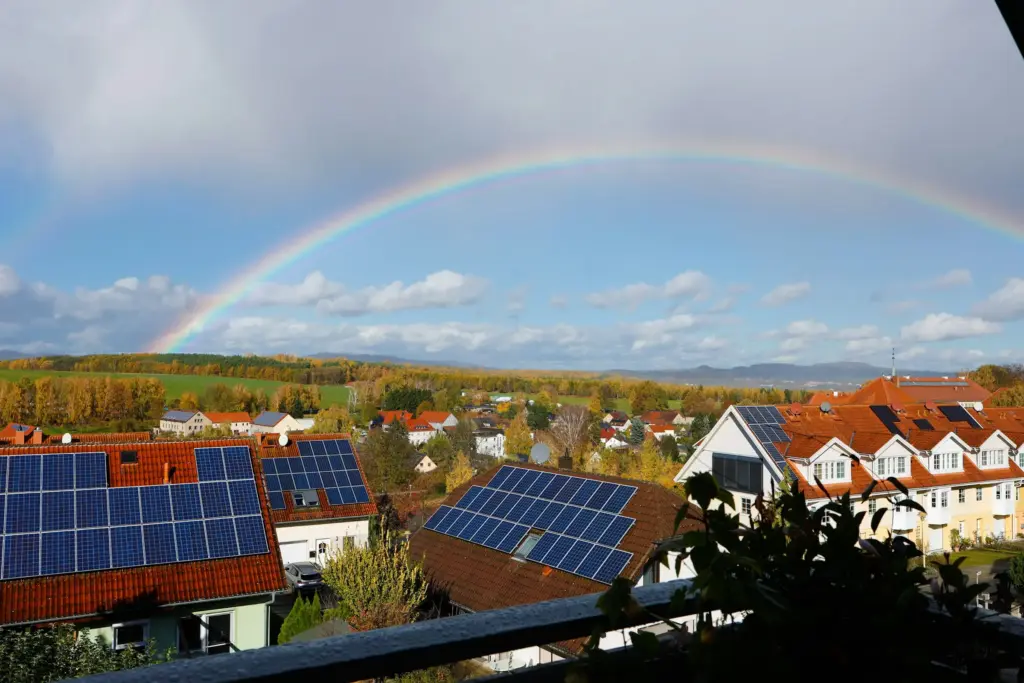
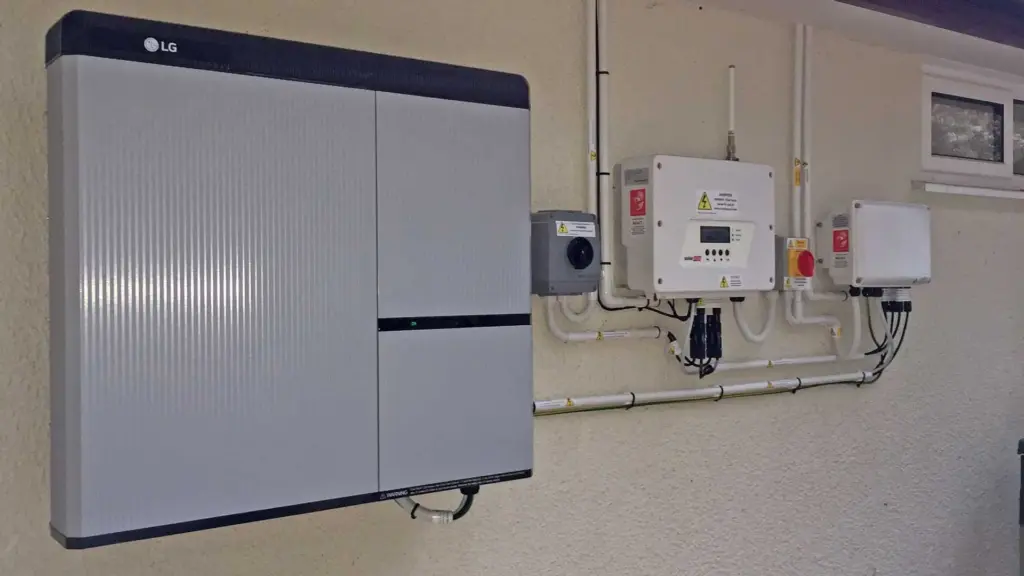
Solar panels and home batteries sit alongside insulation and heat pumps as priority measures. Around £5 billion is set aside for low-income households, delivered as grants that can cover the full cost of the upgrades. A further £2 billion is planned as low and zero-interest loans for households that can afford to borrow, covering solar panels, batteries and heat pumps.
The government’s stated aim is to raise the number of homes with rooftop solar from about 1.6 million to 4.6 million by 2030, on top of the homes that fit panels without any support.
What it could mean for bills
The government’s own examples put the saving for an owner-occupied three-bedroom home with solar panels and a battery at around £450 a year, and for a social-rented semi-detached home with insulation and solar panels at around £350 a year. Real savings depend on the home, how much of the electricity is used on site and the tariff.
What happens next
The details of each scheme, including who qualifies and how to apply, are being released in stages. If you are thinking about solar panels or a battery, a useful first step is to find your annual electricity use on a recent bill, as that is the starting point for sizing any system.