What changed
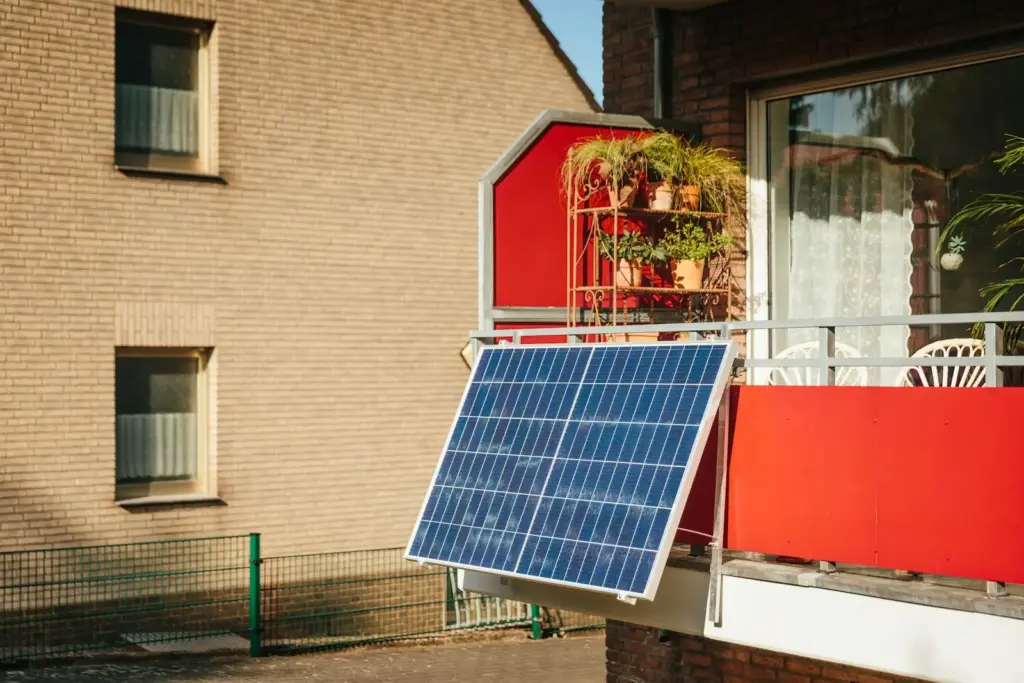
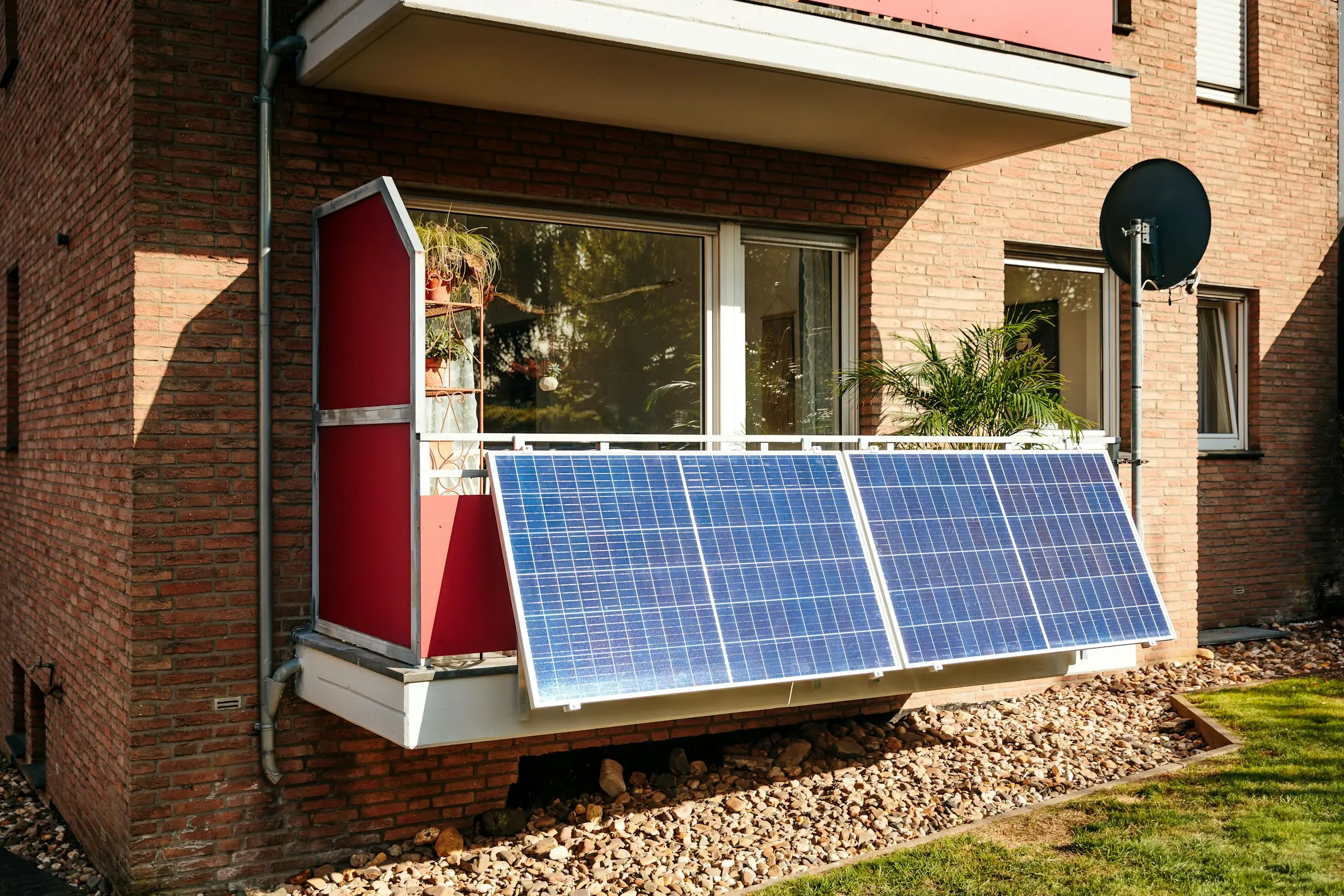
From 27 August 2026 it became legal to connect a small solar panel kit to a home’s electricity supply through an ordinary plug socket. The change was made by regulations signed in July 2026, which amended the rules on plugs and sockets and on electricity safety so that a compliant plug-in kit can be connected without an electrician.
The limits
- The kit’s inverter can feed in at most 800W.
- It must plug straight into a fixed wall socket, never an extension lead or adaptor.
- Only complete kits listed on the Energy Networks Association G98 type-test register can be connected by the householder.
- The local network operator must be notified within 28 days of connecting.
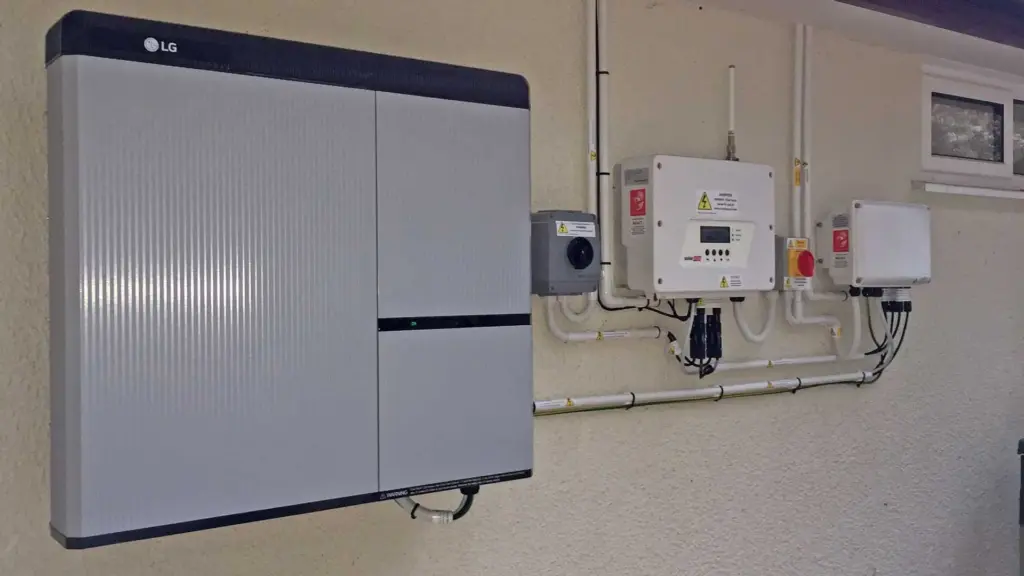
- Plug-in batteries, and solar and battery kits sold together in one box, are not included.
Who it is for
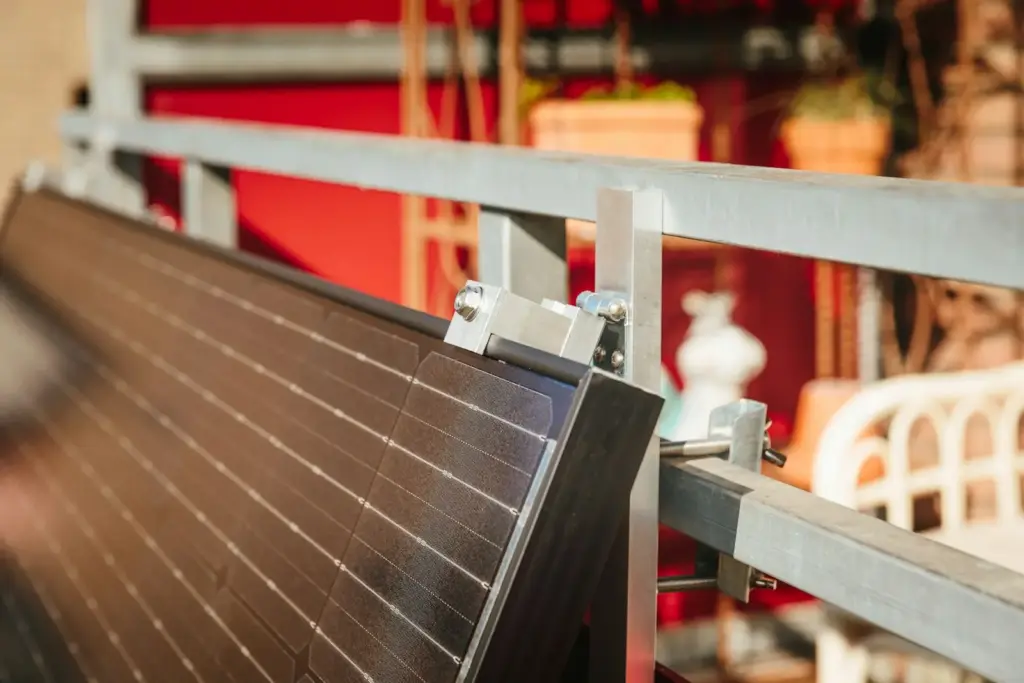
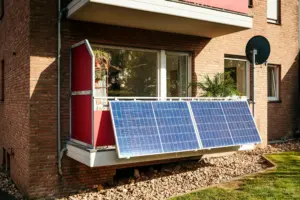
Plug-in solar is aimed at people who cannot fit a roof system: flats, rented homes and homes with a balcony or a small garden. A kit of this size will usually cover part of a home’s daytime background use rather than replace a roof-mounted system.
Because plug-in kits are installed by the householder, they cannot be MCS certified, so they do not currently qualify for Smart Export Guarantee payments. For a home with a suitable roof, a roof-mounted system will still generate far more electricity.